Erwachsenenbildung bedeutet Verantwortung
Unter dem Titel „Erwachsenenbildung bedeutet Verantwortung“ findet die diesjährige KEBÖ-Jahrestagung statt.
Weiterlesen
Unter dem Titel „Erwachsenenbildung bedeutet Verantwortung“ findet die diesjährige KEBÖ-Jahrestagung statt.
Weiterlesen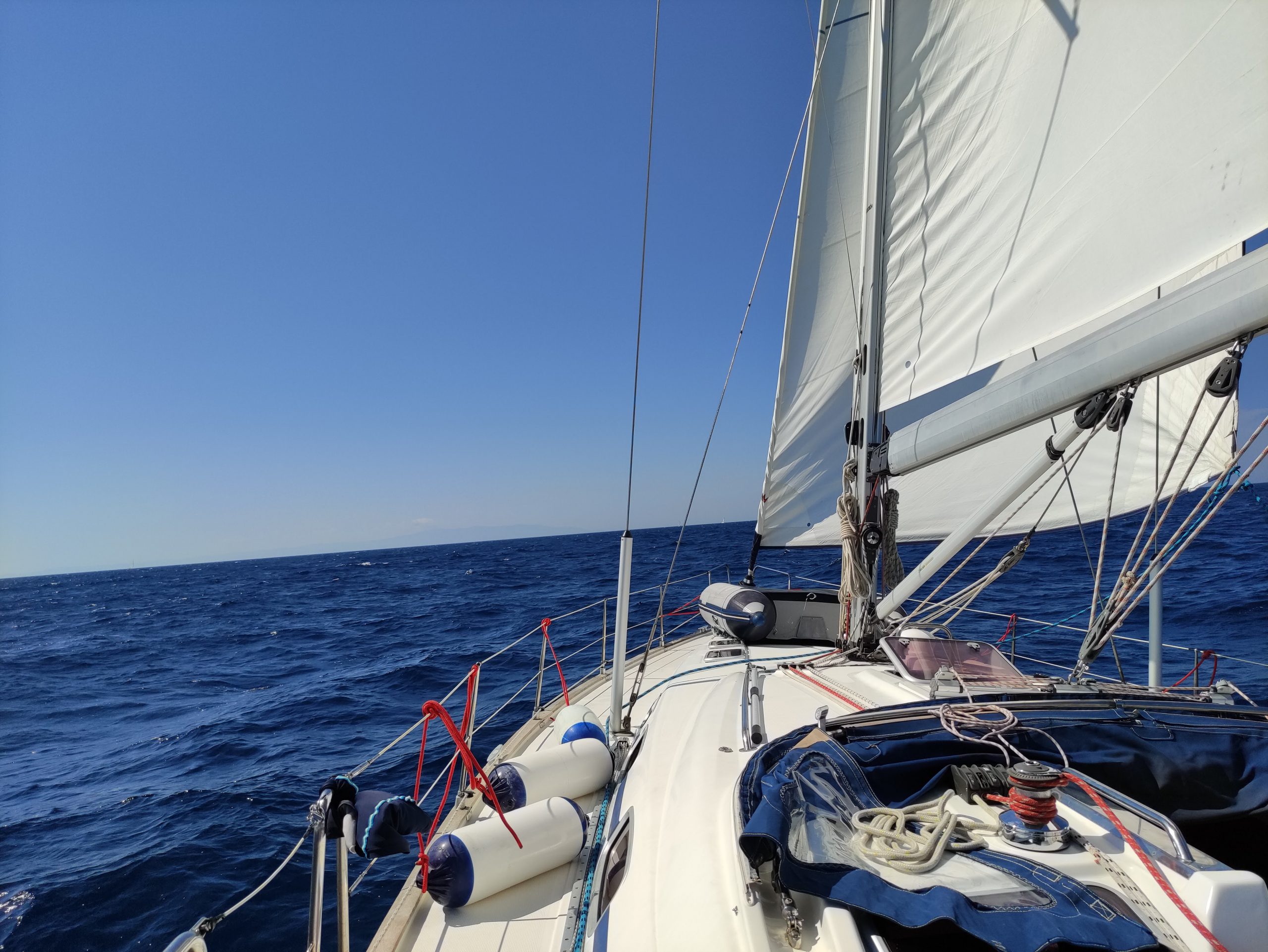
Welcome back from the summer break. Which travel destination did you choose? The local mountains and lakes or did the sea call to you, as it did to me? Wherever the destination was, it was certainly formative for your entire holiday planning. The same goes for learning goals.
Weiterlesen
„Planning is half the battle“ is a saying that also applies to the matter of training design. In order to be able to successfully design learning processes, I make numerous preliminary considerations that help me as a trainer to obtain clarity in advance about the content, the methods, but also the group and the necessary spatial conditions.
Weiterlesen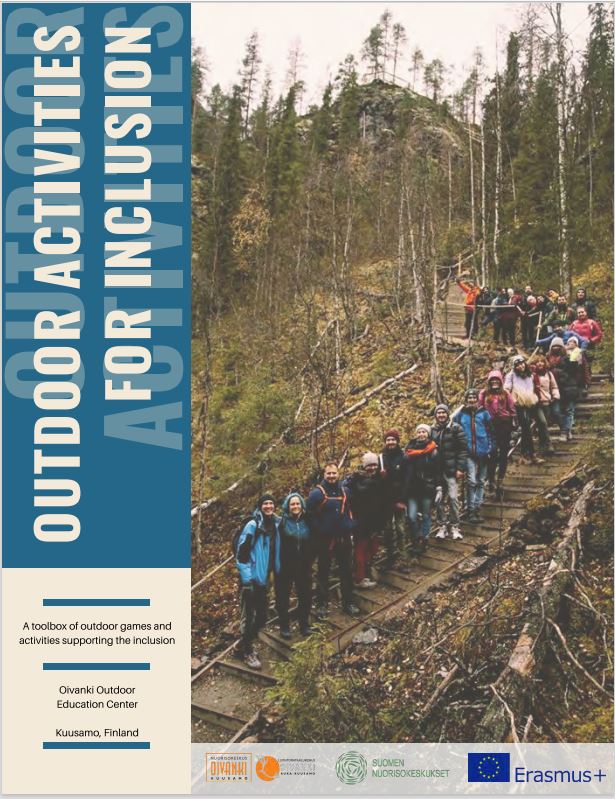
Unser REFAK Absolvent Michael Scheuchenegger ist auch in der internationalen Jugendbildung tätig.
Dabei entstand im Rahmen des Erasmus+ Projekts “outdoor activities for inclusion” gemeinsam mit Teilnehmer*innen aus neun europäischen Ländern, ein praktisches Handbuch mit erlebnispädagogischen Methoden aus ganz Europa.
After #dimi_03 dealt with the topic of learning in general, #dimi_04 is dedicated to the question of what we understand by learning in trade union education work and how we as trainers can specifically promote and support it.
You will learn more about the competences that should be developed in trade union learning settings and how these requirements affect the didactic principles. At the end, there are also some ideas for methods and explanations on how the application of these methods can make even more sense.
Weiterlesen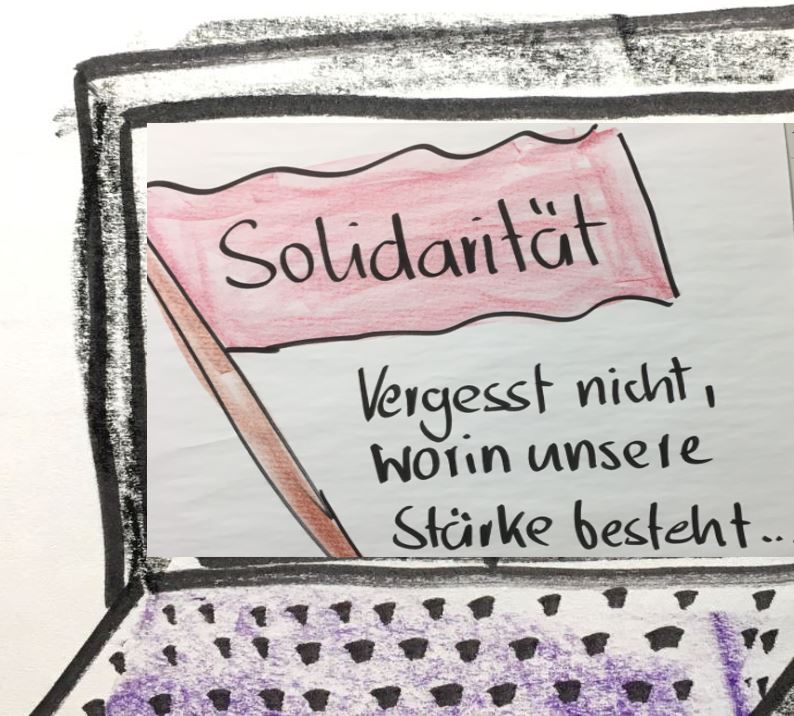
Das REFAK Seminar „Solidarität lernen, lehren, erleben“ konnte im Mai 2021 nicht in Präsenz stattfinden. Helmut Ruß und Ulli Lipp als Referenten standen vor der Aufgabe, diese Veranstaltung, die von heißen Diskussionen, vom „Zusammenstecken der Köpfe“ und von Teamaktivitäten lebt, mit Teilnehmer*innen durchzuführen, die allein vor ihrem Bildschirm sitzen und Kolleg*innen und Trainer meist nur briefmarkengroß vor sich haben. Würde das funktionieren?
Weiterlesen
„Whether we sit or walk broad-legged, upright, head held high … or rather lowered-eyed, crouched, slumped … also reveals much about our positioning in social space, which is determined by the distribution of economic, cultural, social and symbolic capital.“
Quote from Rosa, 2017, 128

These are the questions that #dimi_03 deals with.
Weiterlesen
Didactics is generally understood to be „the study of teaching and learning“ – in other words, it is the scientific examination of how learning can be supported and promoted.
I understand didactics as something alive that thrives on reflection and discussion. As a trainer, I am in a permanent process of research and development. Every time I plan a training or decide with my colleagues during a break which adjustments are necessary, I expand my didactic sensitivity. This builds on the knowledge of how adults learn, but always needs a view of the learning group. Learning is always a social process. You can read about the many dimensions (learning) groups can have in #grumo.
Didactics aims to increase the quality of learning processes. The exchange with colleagues, attending further education, reading blog series (such as the REFAK blog) are part of it.
But where do you get your didactic inspiration? Feel free to leave a comment on the blog post.

This blog series is about the optimal interaction of teaching and learning – topics that concern every trainer, course coach, education secretary, lecturer and pedagogical staff.
Weiterlesen